
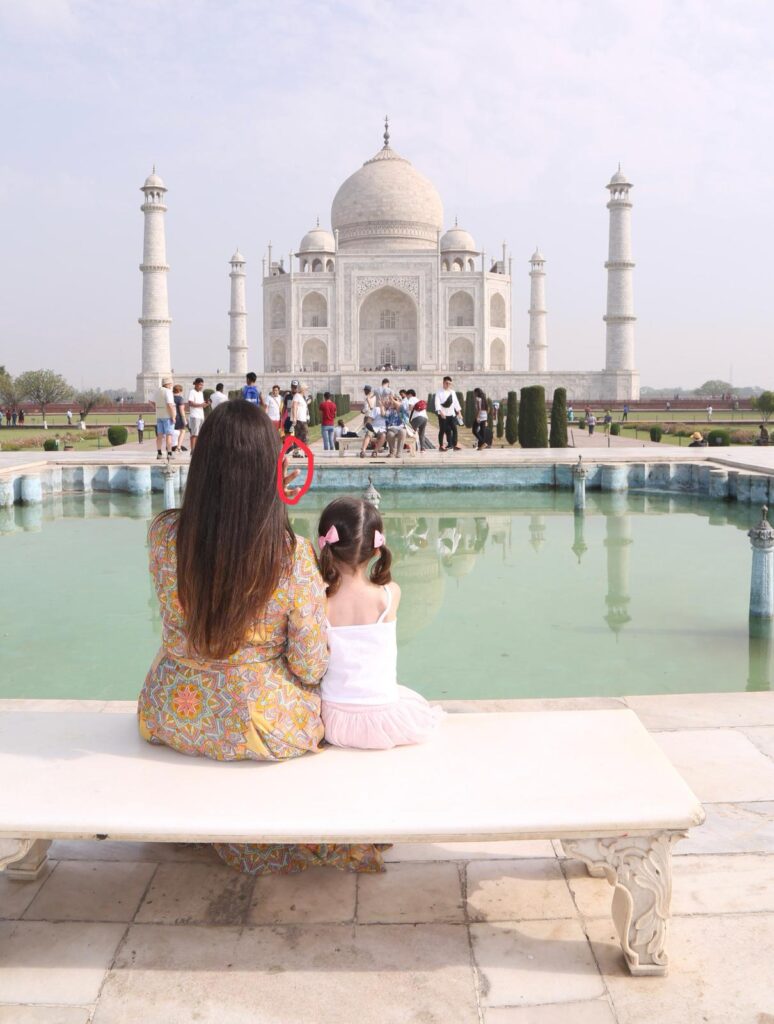
Why Golden Triangle Tours Are Perfect for First-Time Visitors to India: India is a vast and diverse country, rich in history, culture, colors, and contrasts. For first-time travelers, the sheer size and variety of experiences can be overwhelming. That’s why the Golden Triangle Tour is widely considered the perfect introduction to India. Covering the iconic cities of Delhi, Agra, and Jaipur, this triangle-shaped route offers a well-balanced journey into the heart of India’s heritage, architecture, cuisine, and lifestyle.
Whether you’re looking to explore majestic forts, marvel at the Taj Mahal, or experience the vibrancy of Rajasthani culture, a Golden Triangle Tour offers a taste of India’s best — all within a manageable itinerary. Here’s why it’s the ideal choice for first-time visitors to India.
CLICK HERE TO BOOK – GOLDEN TRIANGLE TOUR
What is the Golden Triangle Tour?
The Golden Triangle Tour refers to a popular tourist circuit connecting Delhi, Agra, and Jaipur. These cities form a triangle on the map and are conveniently connected by road and rail. The tour typically begins in Delhi, the bustling capital, then moves to Agra, home of the world-famous Taj Mahal, and concludes in Jaipur, the capital of Rajasthan known as the Pink City.
Most Golden Triangle itineraries range from 5 to 8 days, though they can be customized for longer stays, luxury experiences, or cultural deep-dives.
1. Delhi – A Gateway to India’s Rich Heritage
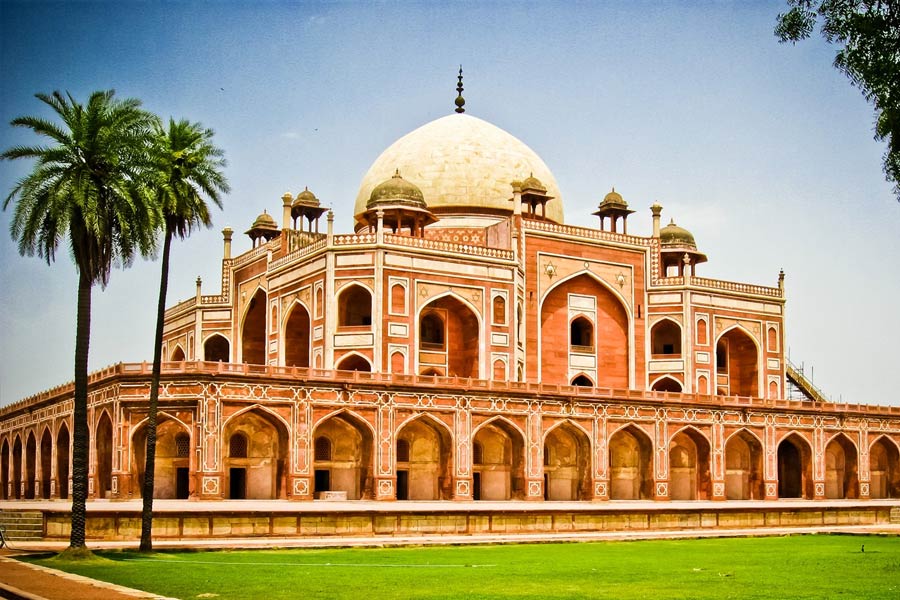
Delhi, the starting point of the tour, is a fascinating blend of old-world charm and modern vibrancy. Divided into Old Delhi and New Delhi, the city presents contrasting views of India.
Top Attractions:
- Red Fort – A UNESCO World Heritage site and Mughal architectural marvel
- Jama Masjid – One of India’s largest mosques
- India Gate & Rajpath – A symbol of national pride
- Lotus Temple & Akshardham – Modern architectural wonders
- Chandni Chowk – A chaotic, colorful market ideal for street food and shopping
Delhi introduces you to India’s history, colonial legacy, religious diversity, and contemporary culture all in one place — an excellent first stop.
2. Agra – Home to the Taj Mahal
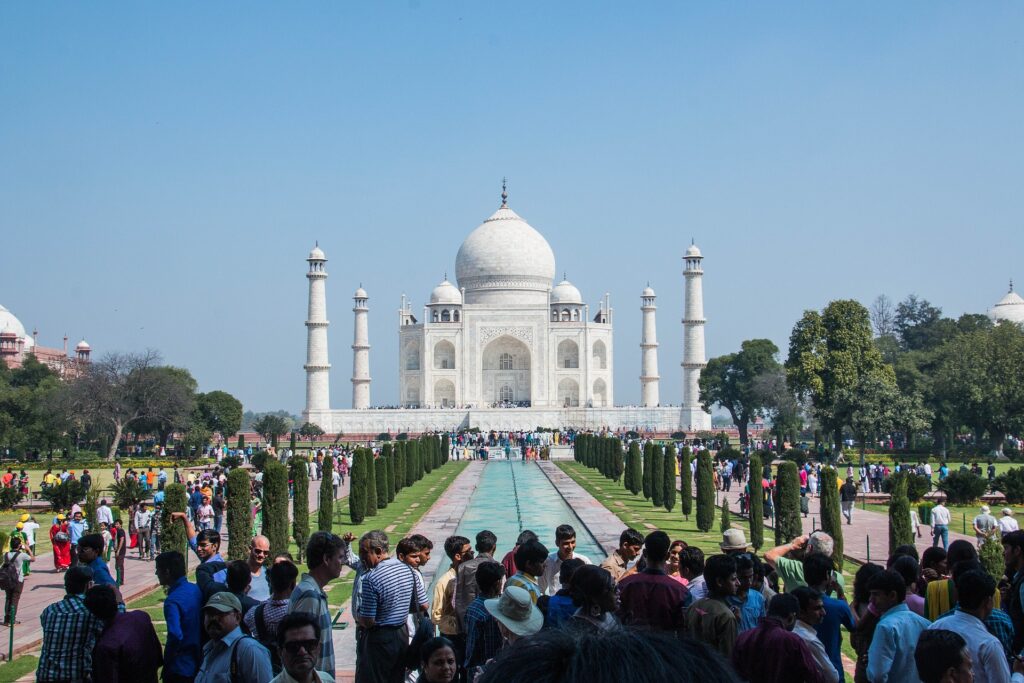
Just a few hours from Delhi via the Yamuna Expressway, Agra is home to one of the most iconic monuments in the world — the Taj Mahal. This white-marble mausoleum, built by Emperor Shah Jahan in memory of his wife Mumtaz Mahal, is the highlight of any Golden Triangle Tour.
Top Attractions:
- Taj Mahal – A symbol of love and UNESCO World Heritage Site
- Agra Fort – A grand red sandstone fort used by the Mughal emperors
- Mehtab Bagh – A garden offering sunset views of the Taj
- Itmad-ud-Daulah – Often called the “Baby Taj” for its exquisite inlay work
Agra allows visitors to step into the grandeur of the Mughal Empire and admire world-renowned craftsmanship. The city’s small size and manageable layout also make it easy to explore in a day or two.
3. Jaipur – The Royal Pink City
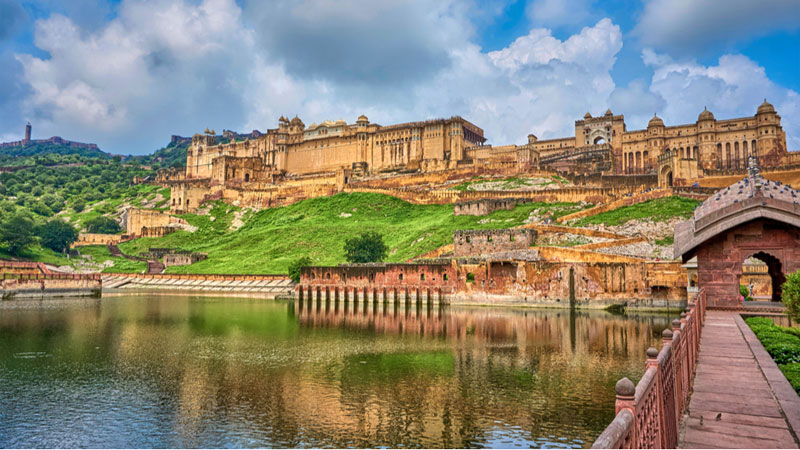
The third point of the triangle, Jaipur, brings visitors into the colorful world of Rajasthani royalty. Known for its palaces, forts, and vibrant markets, Jaipur offers a different perspective on India—one of desert landscapes, elephant rides, and royal legacies.
Top Attractions:
- Amber Fort – A hilltop fort with majestic architecture and elephant rides
- City Palace – A blend of Mughal and Rajasthani styles
- Hawa Mahal – The iconic “Palace of Winds” with its unique façade
- Jantar Mantar – An ancient astronomical observatory
- Local Markets – Known for textiles, jewelry, and handicrafts
Jaipur is a favorite among tourists for its hospitality, shopping, traditional arts, and colorful street life — a true cultural feast.
Why Golden Triangle is Perfect for First-Time Visitors
1. Balanced Introduction to Indian Culture
Each city showcases different aspects of Indian life — the Mughal influence in Agra, colonial and contemporary Delhi, and the Rajput heritage of Jaipur. You get to experience different languages, cuisines, architectural styles, and traditions within a short span.
2. Well-Connected and Safe Route
The Golden Triangle route is well-developed and popular among international tourists, which means better infrastructure, good hotels, knowledgeable guides, and safe transportation options. It’s ideal for beginners who want an organized and manageable tour.
3. Diverse Experiences in One Trip
In just one tour, you can:
- Visit UNESCO World Heritage sites
- Ride a rickshaw in Old Delhi
- Watch the Taj Mahal at sunrise
- Shop for jewelry and textiles in Jaipur
- Enjoy traditional Indian thali meals
- Learn about different religions and spiritual practices
No other route offers this level of diversity and depth in such a short time.
4. Photography and History Lover’s Dream
From intricate Mughal architecture to colorful Jaipur markets, the Golden Triangle offers endless opportunities for photography. History buffs will love exploring the stories behind forts, palaces, and ancient traditions.
5. Customizable Itineraries
You can easily extend your Golden Triangle Tour to include destinations like:
- Ranthambore National Park (wildlife & tiger safaris)
- Pushkar (spiritual and cultural town)
- Varanasi (India’s spiritual capital)
- Udaipur (lake city of Rajasthan)
This makes it easy to transition from a beginner-friendly tour to a deeper exploration of India.
Tips for First-Time Travelers
- Book with a Trusted Tour Operator – Agencies like Rajvansh Holidays provide guided tours, clean vehicles, English-speaking drivers, and seamless bookings.
- Travel Light but Prepared – Carry essentials like a power bank, sunscreen, water bottles, and hand sanitizer.
- Respect Local Customs – Dress modestly, especially at temples or religious sites.
- Stay Hydrated & Eat Safely – Drink bottled water and opt for freshly cooked food.
- Have Local Currency Handy – Small expenses like shopping and tips often require cash.
Best Time to Visit the Golden Triangle
The ideal time for the Golden Triangle Tour is October to March, when the weather is cool and pleasant. Summers (April–June) can be extremely hot, especially in Rajasthan. Monsoon months (July–September) bring rain but fewer crowds.